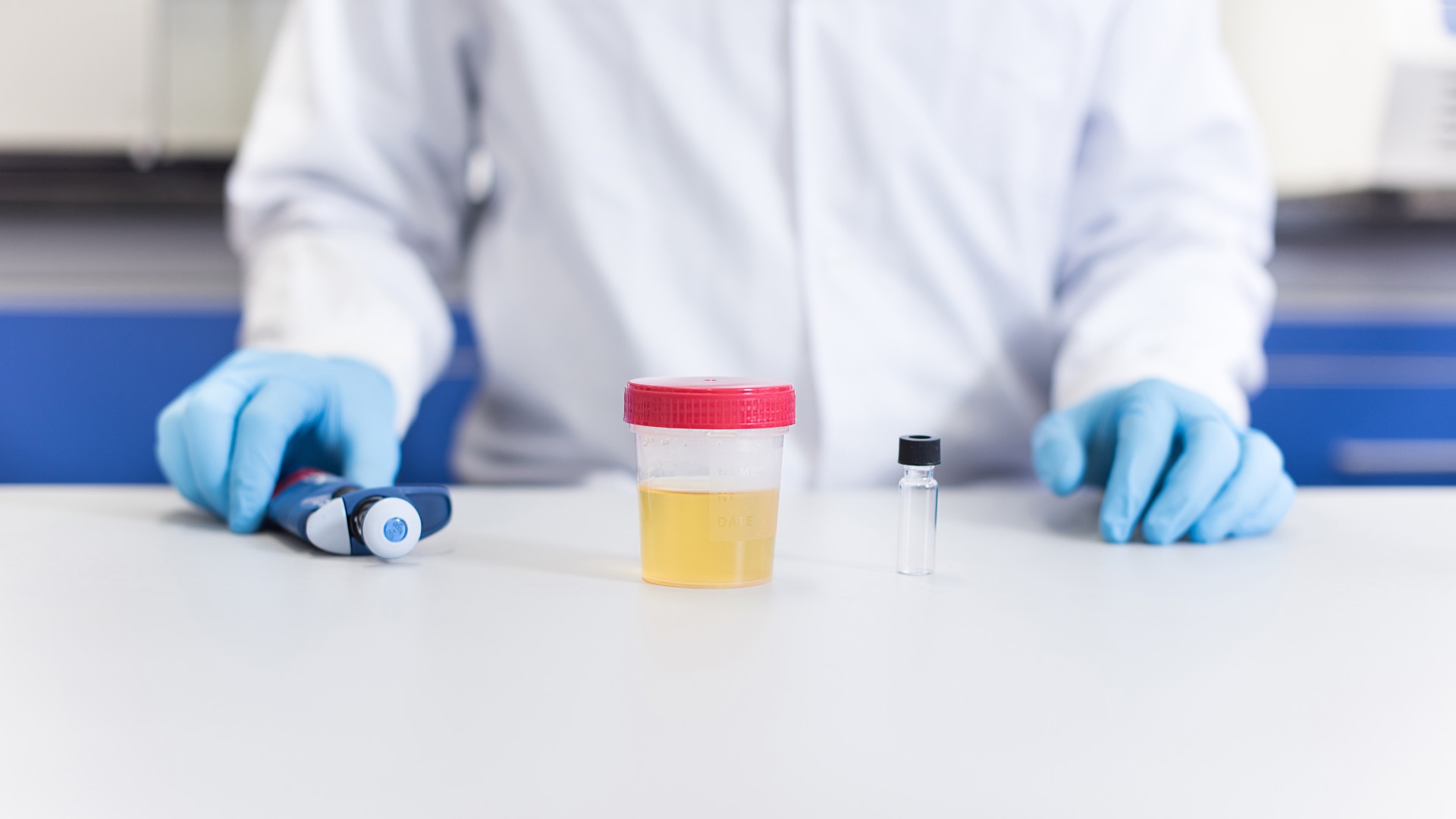
Prostate cancer screening may be on the brink of a long-overdue upgrade.For decades, the PSA (prostate-specific antigen) blood test has been the go-to tool for catching prostate cancer early. But while it’s widely used, it’s far from perfect. It’s highly sensitive but not very specific — meaning it can flag prostate issues that aren’t cancer, leading to unnecessary stress, further testing, and even invasive biopsies.Now, researchers in Sweden may have found a promising alternative — and it all starts with a urine sample.
What Makes This Test Different?
In a recent study published in Cancer Research, scientists analyzed urine samples from over 2,000 men, including those with prostate cancer and a healthy control group. Using machine learning — a type of artificial intelligence that spots complex patterns in large sets of data — they identified specific biomarkers in the urine that point to the presence of prostate cancer. Not only that, but the test also appears capable of determining the grade or stage of the tumor.The results were eye-opening. This noninvasive test showed a high degree of accuracy, outperforming the PSA test in identifying prostate cancer—and doing so in a way that’s painless, easy, and potentially more informative.
The Power of AI in Medicine
One of the biggest hurdles in prostate cancer screening is the wide variability between tumors — not just from one person to another, but even within the same tumor. This complexity, known as tumor heterogeneity, has made it challenging to develop a one-size-fits-all diagnostic tool.By applying AI to the problem, researchers could identify a set of biomarkers that remained reliable across different types of prostate cancer and among other patients. That’s a huge step forward, especially considering how stagnant prostate cancer screening has been for the last several decades.
A Closer Look at the PSA Test
The PSA test measures levels of prostate-specific antigen in the blood. While a helpful screening tool, elevated PSA levels can be caused by many non-cancerous conditions — such as benign prostatic hyperplasia (BPH) or infections. According to the NIH, this lack of specificity can result in false positives, which affect about 6–7% of men screened. Ultimately, only around 1 in 4 men who undergo a biopsy due to an elevated PSA are diagnosed with prostate cancer.In short, the PSA test casts a wide net, but it often pulls in more worry than it does cancer diagnoses.
What’s Next?
Although the new urine test shows great promise, it’s not yet ready for prime time. The study involved a relatively small and specific population — mainly European men — and more diverse, larger-scale studies are needed to confirm the findings and expand the test’s usefulness to other high-risk groups.There are also practical considerations. This analysis relies on specialized equipment, which could make it more costly at first. However, as with most technologies, costs could decrease over time as testing becomes more widely available.Researchers hope that this method could eventually be adapted to screen for other cancers, laying the groundwork for smarter, more targeted screening tools.
Bottom Line
While the PSA test has served its purpose for many years, it’s not without flaws. This new urine-based test, powered by AI, could mark a turning point in how we detect and treat prostate cancer — catching aggressive forms earlier, reducing unnecessary procedures, and helping men get the care they need when they need it most.The future of prostate cancer screening might just be as simple as providing a urine sample — and letting machine learning do the rest.Dr. David Samadiis the Director of Men’s Health and Urologic Oncology at St. Francis Hospital in Long Island. He’s a renowned and highly successful board certified Urologic Oncologist Expert and Robotic Surgeon in New York City, regarded as one of the leading prostate surgeons in the U.S., with a vast expertise in prostate cancer treatment and Robotic-Assisted Laparoscopic Prostatectomy. Dr. Samadi is a medical contributor to NewsMax TV and is also the author of two books, Prostate Cancer, Now What? A Practical Guide to Diagnosis, Treatment, and Recovery and The Ultimate MANual, Dr. Samadi’s Guide to Men’s Health and Wellness, available online both on Amazon and Barnes & Noble. Visit Dr. Samadi’s websites at robotic oncology and prostate cancer 911.