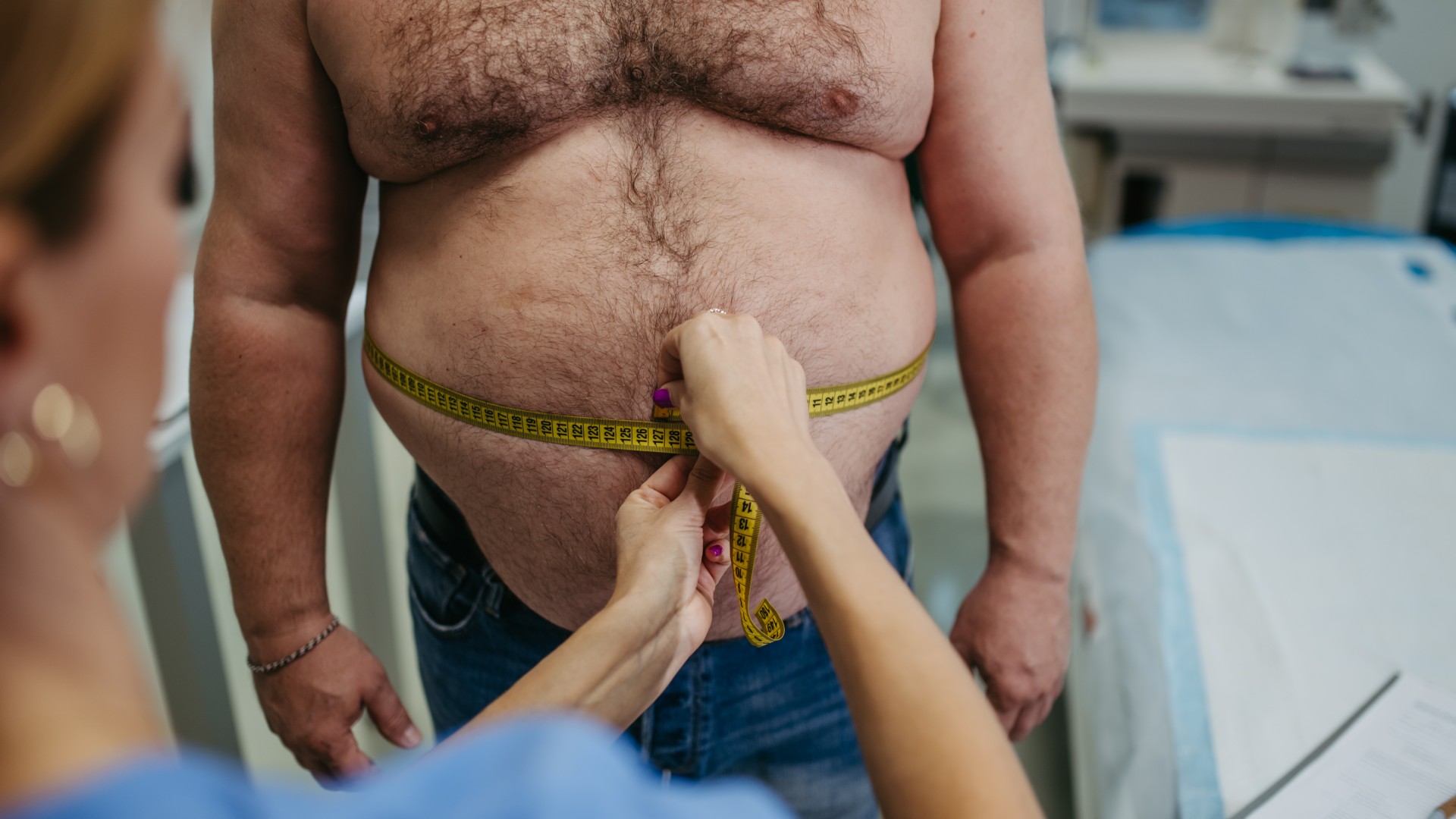
If you asked Americans to name the biggest threat to our nation’s health, you might expect answers like cancer or COVID-19. But according to a 2023 Axios poll, the second biggest concern—right behind the opioid crisis—is something far more familiar: obesity.It makes sense. The pandemic disrupted our routines, closed gyms and schools, and pushed stress levels sky-high. In the chaos, many of us turned to food for comfort—and it probably wasn’t kale chips and smoothies. This stress-induced eating can lead to the accumulation of visceral fat, further exacerbating the obesity crisis.
What’s the Real Problem with Belly Fat?
It’s not just about how your pants fit. The type of fat that gathers around your midsection—called visceral fat—isn’t just annoying; it’s dangerous. This fat wraps itself around your organs deep in your abdomen. Unlike the softer fat under the skin (subcutaneous fat), visceral fat doesn’t just sit there quietly.It’s metabolically active, meaning it sends out inflammatory signals that can mess with your hormones, increase insulin resistance, and set off a chain reaction that raises your risk for heart disease, type 2 diabetes, and certain cancers. In short, visceral fat fuels inflammation, and inflammation fuels disease.
So, What Can You Do About It?
The good news? You can fight back. Here are three proven ways to lower visceral fat and take back your health:
1. Clean Up Your Diet (Yes, It Really Matters)
We’ve all heard it before: eat more whole foods and ditch the junk. But this advice isn’t just helpful—it’s crucial when it comes to cutting down visceral fat.Focus on building your meals around fruits, vegetables, whole grains, lean proteins, beans, nuts, and seeds. These foods are loaded with nutrients that help reduce inflammation and support healthy metabolism.A study published in the International Journal of Obesity found that diets rich in these whole foods are linked to lower visceral fat levels. On the other hand, eating a lot of fried foods, sugary drinks, red meat, and refined grains tends to increase belly fat and expand one’s waistline.
2. Get Moving—Cardio + Strength Training is Key
Moving your body is non-negotiable if you want to shrink belly fat. Researchers have consistently found that aerobic exercise (like walking, swimming, or cycling) helps reduce visceral fat, especially at a moderate to vigorous level.But here’s the kicker: adding in strength training makes your results even better. A review in Advances in Nutrition showed that combining both cardio and resistance training works best for trimming abdominal fat.If it’s been a while since you’ve exercised, no worries. Start slow and talk to your doctor first. They can provide personalized advice based on your health condition. Then build up gradually and find activities you enjoy—it’s easier to stick with it that way.
3. Sleep More, Drink Less
Want a flatter belly? Sleep and alcohol matter more than you might think.Not getting enough sleep doesn’t just make you groggy—it can actually increase visceral fat. One study found that people who skimp on sleep had 11% more belly fat than those who got adequate rest.As for alcohol, drinking too much is strongly tied to increased visceral fat and a higher risk of metabolic syndrome. Research published in the Annals of Nutrition and Metabolism showed that consuming more than 14 drinks a week significantly raises your risk.Try cutting back on alcohol and aim for 7–9 hours of sleep a night to give your body the support it needs to burn fat and heal.
Final Thoughts
Getting rid of visceral fat doesn’t happen overnight—but it does happen with consistency and commitment. Focus on eating real food, moving more, sleeping well, and being mindful of alcohol. These are simple but powerful tools to improve your health and reduce the inflammation tied to belly fat.Remember: no one is perfect every day, but small steps in the right direction add up. Your health is worth it.Dr. David Samadiis the Director of Men’s Health and Urologic Oncology at St. Francis Hospital in Long Island. He’s a renowned and highly successful board certified Urologic Oncologist Expert and Robotic Surgeon in New York City, regarded as one of the leading prostate surgeons in the U.S., with a vast expertise in prostate cancer treatment and Robotic-Assisted Laparoscopic Prostatectomy. Dr. Samadi is a medical contributor to NewsMax TV and is also the author of two books, Prostate Cancer, Now What? A Practical Guide to Diagnosis, Treatment, and Recovery and The Ultimate MANual, Dr. Samadi’s Guide to Men’s Health and Wellness, available online both on Amazon and Barnes & Noble. Visit Dr. Samadi’s websites at robotic oncology and prostate cancer 911.