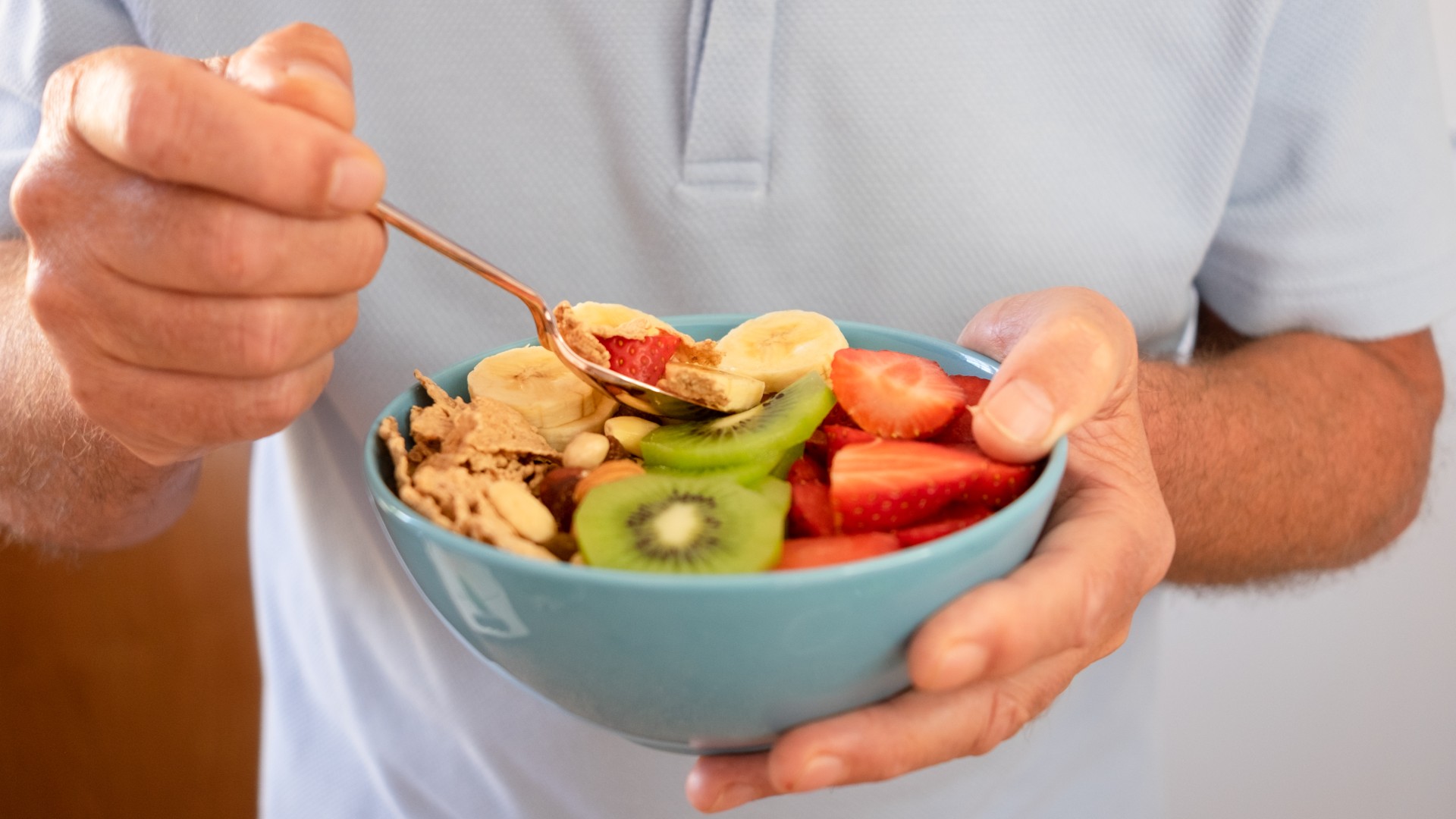
Snacking isn’t just about curbing your mid-afternoon hunger pangs—it’s an opportunity to boost your nutrient intake, maintain steady energy levels, and set yourself up for success at your next meal. With roughly nine out of ten Americans reaching for snacks daily, making wise choices can help prevent overeating later and keep you satisfied without that post-snack slump.Think of a snack as the bridge between meals: it should be substantial enough to tide you over yet light enough that you don’t arrive at lunch or dinner feeling stuffed. The secret? Always pair protein and fiber. Together, they promote lasting fullness, stabilize blood sugar, and support muscle health.
Why Protein Matters
Slower Digestion, Stronger Satiety
Protein’s complex structure takes longer to break down, extending the time it stays in your stomach. This slower digestion helps you feel full longer than carbs or fats alone.
Cravings Crusher
Research shows that higher-protein snacks keep you more satisfied and reduce overall calorie intake at subsequent meals.
Muscle Maintenance
Beyond appetite control, protein preserves lean muscle mass—especially crucial as we age. Pair each snack with an active lifestyle to keep muscles strong and metabolic rate up.
How Much You Need
Aim for at least 5 grams of protein per snack. To gauge your daily needs, multiply your body weight in kilograms by 0.8 grams.
Convert pounds to kilograms (divide by 2.2).
Multiply by 0.8 for total daily protein intake.
Divide that number by your meals and snacks to spread intake evenly.
The Role of Fiber
Dual Action: Soluble & Insoluble
Soluble fiber (found in oats, beans, and apples) forms a gel in the gut, slowing digestion and extending fullness.Insoluble fiber (in whole grains and veggies) adds bulk, keeping you regular and preventing digestive issues.
Weight Management
Diets rich in fiber are linked to healthier body weight and reduced risk of obesity-related diseases.
Blood Sugar & Heart Health
Fiber slows carbohydrate absorption, blunts sugar spikes, and helping lower cholesterol—key for diabetes and cardiovascular health.
Fiber Targets
Shoot for at least 3 grams of fiber in every snack. Men generally need around 38 grams/day, while women require about 25 grams/day.
Snack Ideas That Hit the Mark
Snack Combinations of Protein and Fiber:
Apple slices with 2 Tbsp peanut butter 8 g(P) 4 g(F)
Greek yogurt topped with berries or sliced almonds 8–20 g) 3–5 g(F)
Hard-boiled egg plus whole-wheat crackers 6 g(P) 3 g(F)
Cottage cheese (½ cup) with fresh fruit or veggie sticks 12 g(P) 4 g(F)
Edamame (½ cup, shelled) 8 g(P) 4 g(F)
Carrot/celery sticks dipped in black bean hummus (homemade with beans, garlic, lime, cilantro) 7 g(P) 5 g(F)
Putting It All Together
By mindfully combining protein and fiber at every snack, you’ll:
Stay energized and focused.
Curb cravings before they start.
Support muscle health and digestive wellness.
Keep your eating on track without feeling deprived.
Next time you reach for a snack, think beyond taste and make it a mini power-packed meal. Your body and appetite will thank you!Dr. David Samadiis the Director of Men’s Health and Urologic Oncology at St. Francis Hospital in Long Island. He’s a renowned and highly successful board certified Urologic Oncologist Expert and Robotic Surgeon in New York City, regarded as one of the leading prostate surgeons in the U.S., with a vast expertise in prostate cancer treatment and Robotic-Assisted Laparoscopic Prostatectomy. Dr. Samadi is a medical contributor to NewsMax TV and is also the author of two books, Prostate Cancer, Now What? A Practical Guide to Diagnosis, Treatment, and Recovery, and The Ultimate MANual, Dr. Samadi’s Guide to Men’s Health and Wellness, available online both on Amazon and Barnes & Noble. Visit Dr. Samadi’s websites at robotic oncolo gy and prostate cancer 911.