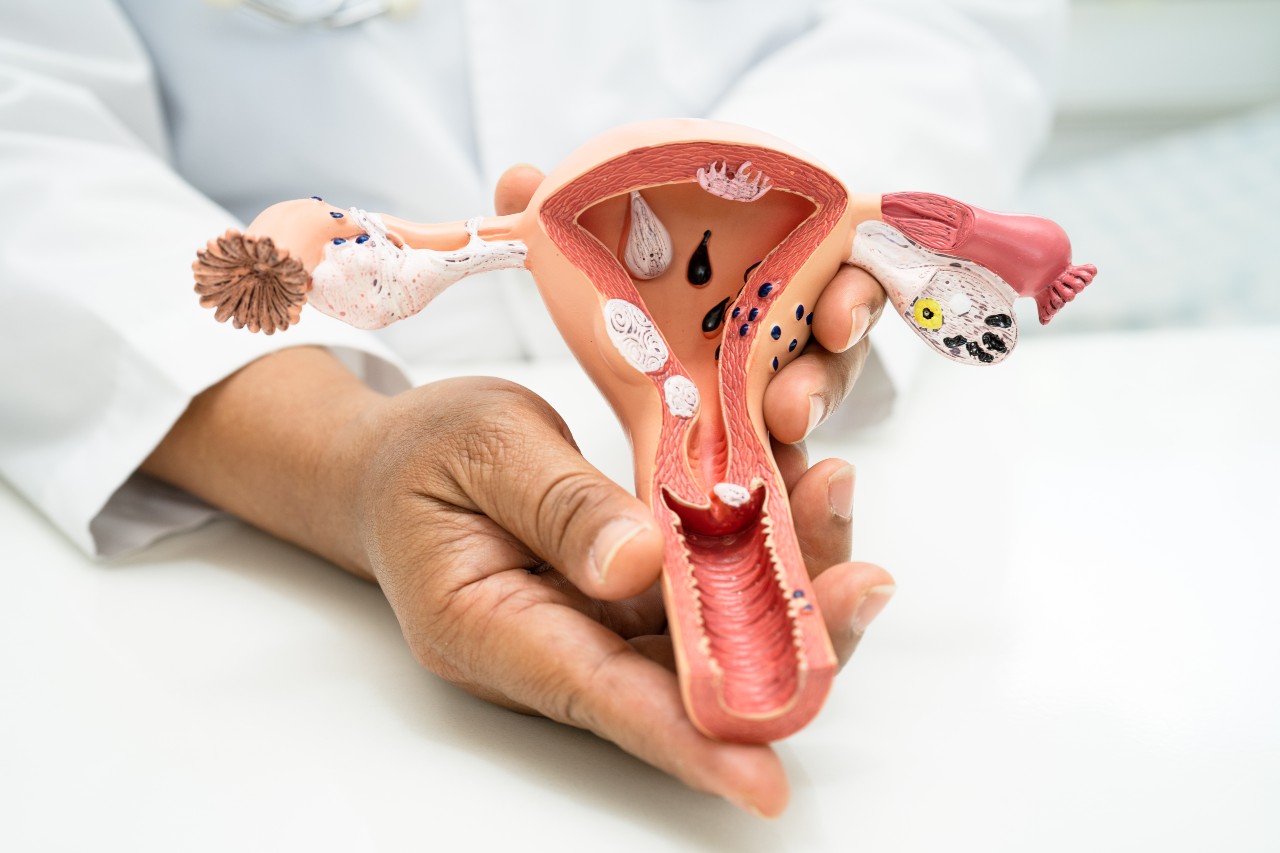
Nearly every man over 65 can attest that BPH is no walk in the park—struggling to urinate, racing to find a bathroom, and making countless trips during the night can turn daily life into a constant challenge.Benign Prostatic Hyperplasia (BPH) is a condition in which the prostate gland enlarges, especially as men age, potentially causing urinary problems. While BPH isn’t cancerous, it can lead to uncomfortable symptoms as it grows more prominent with age.
The Role of the Prostate
The prostate, a gland found only in males, is located in front of the rectum and underneath the bladder. The prostate gland surrounds the urethra, which serves as the passage for carrying urine out of the body. The prostate’s primary function is to produce fluid that nourishes and protects sperm in semen.
Causes and Risk Factors of BPH
The exact cause of BPH is unclear, but it’s linked to the natural aging process. The prostate undergoes two main growth periods—once during puberty and again around age 25, continuing to grow throughout a man’s life. BPH typically becomes an issue in men starting in their 60s, with symptoms becoming more common in their 70s and 80s. Risk factors include obesity, a family history of BPH, being over 40, lack of physical activity, heart disease, erectile dysfunction, and type 2 diabetes.
Symptoms of BPH
As the prostate enlarges, it can press on the urethra, leading to:
Frequent urination, especially at night (nocturia)
Difficulty starting urination
Weak or interrupted urine stream
Urgency to urinate
Incomplete bladder emptying
Leaking or dribbling urine
If left untreated, BPH can cause complications like damage to the kidney, increased risk of bladder stones, and urinary tract infections.
Diagnosing BPH
Early diagnosis of BPH is crucial to prevent complications. A healthcare provider should conduct a physical exam and order tests such as urine tests, a digital rectal exam, an ultrasound, or a urine flow study to evaluate the condition.
Treatment Options
Treatment for BPH varies depending on the severity of symptoms:
Active Surveillance: Regular check-ups to monitor the condition without immediate treatment.
Medications: Used to shrink the prostate or relax the muscles around the urethra.
Diet: Limit alcohol, caffeine, and evening fluids; focus on consuming more fruits and vegetables.
Physical Activity: A regular regimen of exercise can help manage symptoms.
Kegel Exercises: Strengthening pelvic muscles can reduce urine leakage.
Key Takeaways
BPH is a non-cancerous enlargement of the prostate which can result in urinary issues as men age. When BPH is diagnosed early, appropriate treatment can begin helping manage symptoms and prevent complications.
Preparing for Your Healthcare Visit
To make the most of your healthcare visit:
Write down any questions or symptoms you have.
Bring someone with you to help remember the discussion.
Understand the purpose of any recommended tests or treatments.
Know how to contact your provider for follow-up or urgent concerns.
Staying informed and proactive can help you effectively manage BPH and maintain your quality of life.Dr. David Samadiis the Director of Men’s Health and Urologic Oncology at St. Francis Hospital in Long Island. He’s a renowned and highly successful board-certified Urologic Oncologist Expert and Robotic Surgeon in New York City, regarded as one of the leading prostate surgeons in the U.S., with a vast expertise in prostate cancer treatment and Robotic-Assisted Laparoscopic Prostatectomy. Dr. Samadi is a medical contributor to NewsMax TV and is also the author of The Ultimate Manual, Dr. Samadi’s Guide to Men’s Health and Wellness, available online both on Amazon and Barnes & Noble. Visit Dr. Samadi’s websites at robotic oncology and prostate cancer 911.