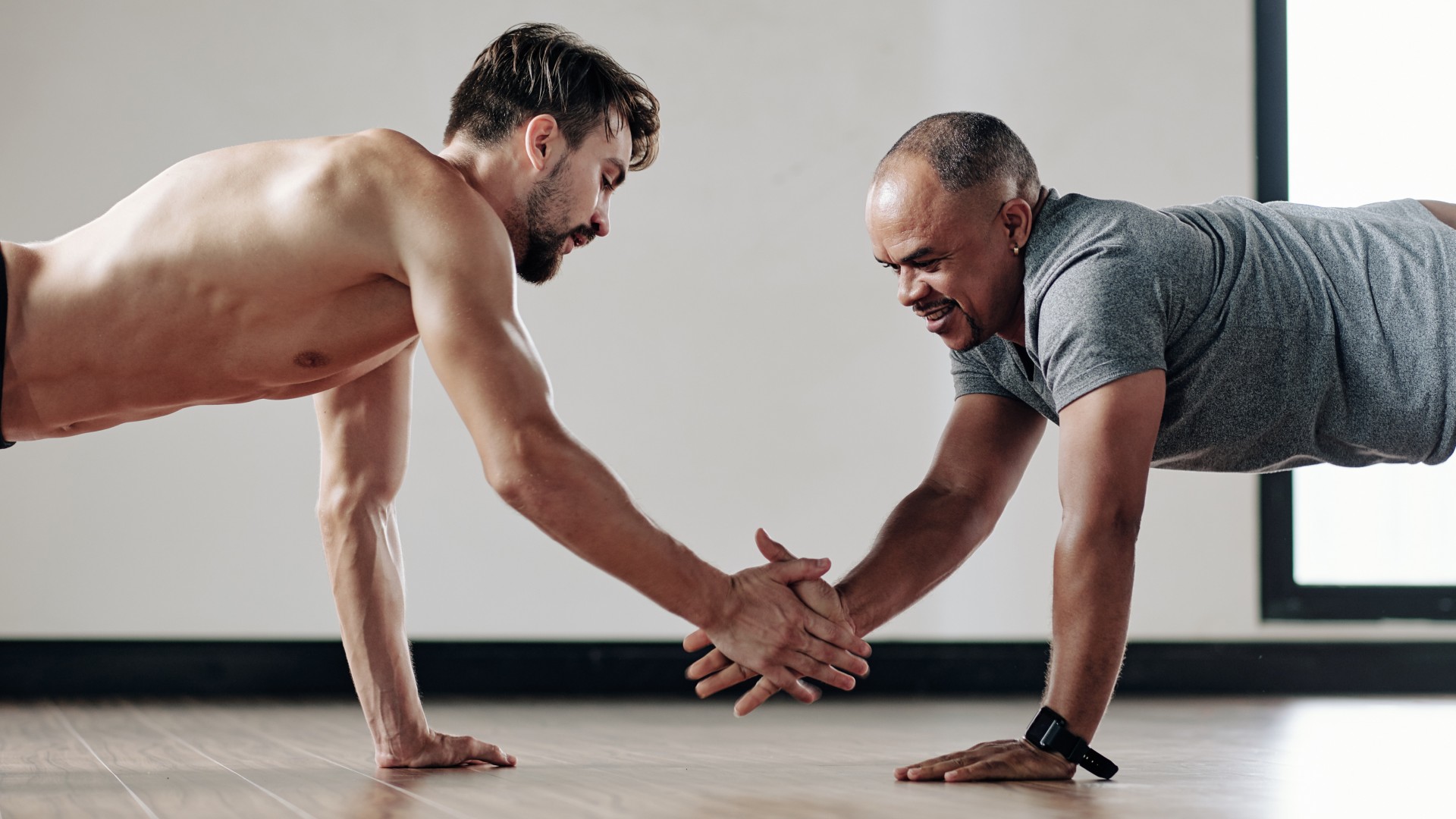
Living with an enlarged prostate—clinically known as benign prostatic hyperplasia (BPH)—can be both uncomfortable and disruptive. And while it’s a common condition in aging men, what makes it particularly challenging is the fact that there’s no single, identifiable cause. Most experts agree that hormonal shifts related to aging play a central role, with nearly all men with normally functioning testicles experiencing some degree of prostate enlargement during their lifetime.While BPH is not cancerous, its symptoms—such as a weak urinary stream, sudden urges to urinate, or even urinary leakage—can affect daily life. Fortunately, there are practical ways to ease these symptoms and enhance quality of life. One of the most effective strategies is regular exercise.
Why Exercise Matters for Prostate Health
You’ve probably heard the phrase, “What’s good for the heart is good for the prostate, and that’s no myth. Physical activity that boosts cardiovascular health also supports a healthy prostate.So, can exercise help reduce an enlarged prostate? While it won’t shrink the gland, research suggests that consistent physical activity can significantly reduce BPH-related symptoms and slow progression. Here’s how.
How Exercise Eases BPH Symptoms
Hormonal Balance: Physical activity can help regulate testosterone levels. Elevated testosterone has been associated with prostate growth, so maintaining hormonal balance may help minimize prostate enlargement over time.
Weight Management: Carrying excess abdominal fat, especially visceral fat, has been linked to a higher risk of BPH. Exercise helps manage your weight, reducing that risk and lessening pressure on the bladder and prostate.
Reduced Stress: Exercise decreases the activity of the sympathetic nervous system—your body’s “fight or flight” response. Since this system can influence urinary function, calming it through exercise may ease urgency and frequency.
Best Exercises for Supporting Prostate Health
If you’re looking to take action, there are several types of exercise that can benefit your prostate and your overall well-being.
1. Aerobic Exercise
Activities that increase your heart rate also improve blood flow and reduce inflammation. Try to get at least 30 minutes of moderate aerobic exercise most days of the week. Great options include:
Brisk walking
Jogging
Swimming
Cycling (on a prostate-friendly saddle)
2. Strength Training
Incorporating resistance workouts, especially those targeting your lower body, helps support pelvic stability and metabolic health. Exercises like squats, lunges, and leg presses build strength and support the muscles involved in bladder control.
3. Pelvic Floor (Kegel) Exercises
Often overlooked, Kegel exercises help strengthen the muscles that control urination. They’re invaluable for men dealing with urinary leakage or sexual dysfunction.
To perform a Kegel:
Contract your pelvic floor muscles as if trying to stop the urine flow.
Hold for five seconds, then relax for five seconds.
Repeat 10–15 times, several times a day.
4. Yoga
Yoga may not be your first thought, but it’s an excellent option for increasing flexibility, reducing stress, and supporting pelvic health. Poses like Cobra, Bow, and Hero can gently stretch and engage the pelvic region.
Lifestyle Tips to Boost Prostate Health
Exercise is just one part of the equation. Adopting other healthy habits can further support your prostate and ease BPH symptoms.
Prioritize a Prostate-Friendly Diet
What you eat plays a key role in managing BPH:
Load up on vegetables (especially leafy greens), fruits, whole grains, and healthy fats.
Limit red meat, processed foods, and high-fat dairy.
Foods rich in zinc, lycopene (found in tomatoes), and omega-3s are beneficial.
Stay Hydrated—But Smartly
Proper hydration supports bladder function and flushes toxins. However, it’s best to avoid excessive caffeine or alcohol, both of which can irritate the bladder and worsen symptoms.
Schedule Regular Check-Ups
Routine visits to your urologist can help monitor your prostate health and catch any potential issues early. Don’t wait to contact your doctor if your symptoms change noticeably, or become more severe.
When to See a Doctor
While BPH develops gradually, specific symptoms warrant immediate attention:
Blood in urine
Painful or burning urination
Inability to urinate
Severe or worsening symptoms despite lifestyle changes
These signs may indicate something more serious, such as a urinary tract infection or even prostate cancer, and should be evaluated by a medical professional.
Treatment Options Beyond Lifestyle Changes
If lifestyle modifications don’t provide sufficient relief, your doctor may recommend other therapies, including:
Medications: These may relax prostate muscles or block hormone production that contributes to enlargement.
Minimally Invasive Procedures: Techniques such as transurethral resection can help remove excess prostate tissue.
Surgery: In severe cases, surgical options may be necessary to restore normal urine flow.
Final Thoughts: Take Charge with Movement
While exercise may not shrink your prostate, it’s one of the most powerful tools you have for managing symptoms and improving your quality of life. By integrating consistent physical activity with healthy habits and regular check-ups, you can take control of your prostate health—one step, squat, or Kegel at a time.Dr. David Samadiis the Director of Men’s Health and Urologic Oncology at St. Francis Hospital in Long Island. He’s a renowned and highly successful board certified Urologic Oncologist Expert and Robotic Surgeon in New York City, regarded as one of the leading prostate surgeons in the U.S., with a vast expertise in prostate cancer treatment and Robotic-Assisted Laparoscopic Prostatectomy. Dr. Samadi is a medical contributor to NewsMax TV and is also the author of two books, Prostate Cancer, Now What? A Practical Guide to Diagnosis, Treatment, and Recovery, and The Ultimate MANual, Dr. Samadi’s Guide to Men’s Health and Wellness, available online both on Amazon and Barnes & Noble. Visit Dr. Samadi’s websites at robotic oncology and prostate cancer 911.