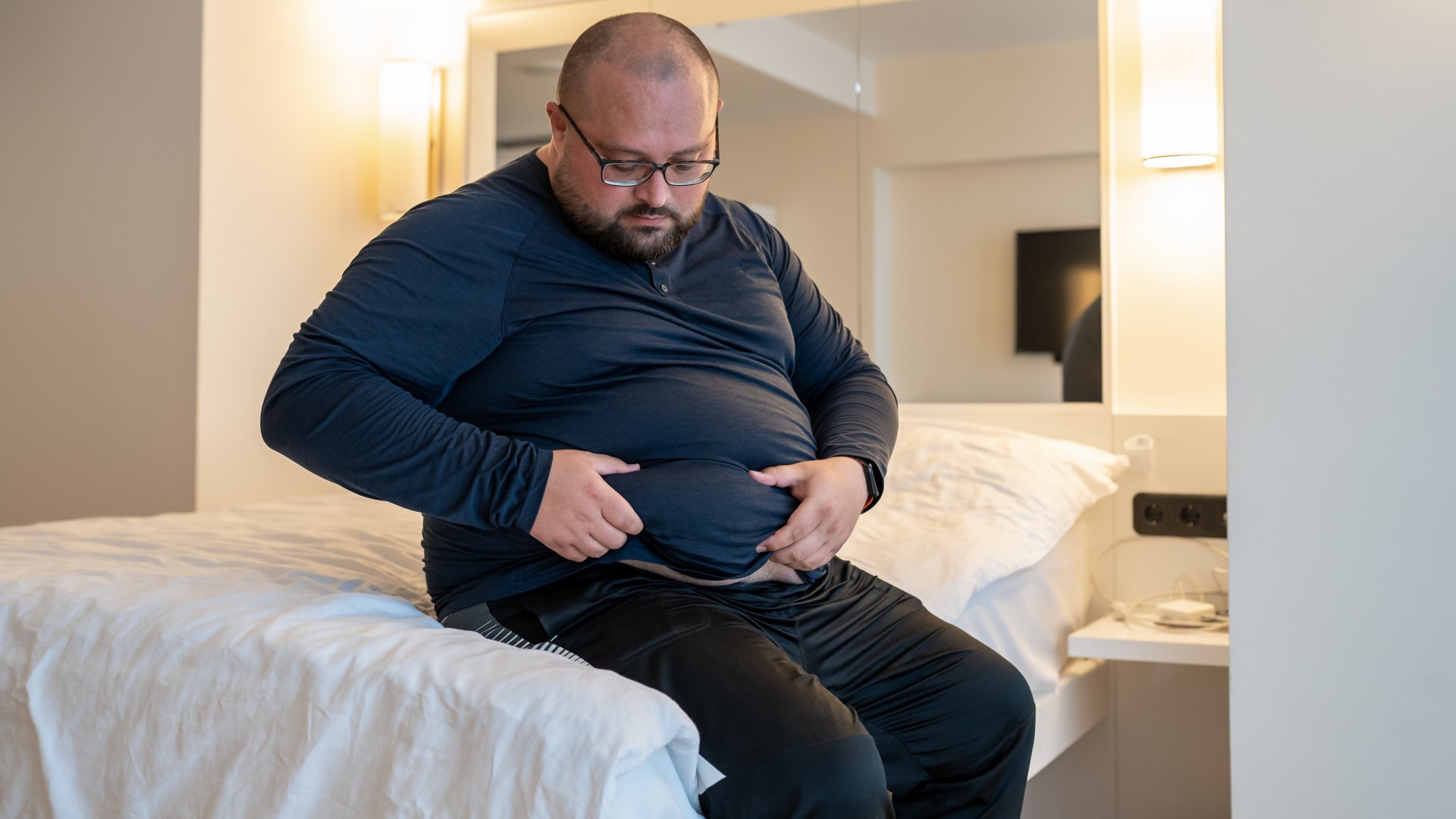
Let’s talk about something most men would rather avoid—but shouldn’t: the link between weight and sexual health.If you’re carrying extra pounds and have noticed changes in your sex life, you’re not alone. And no, you’re not imagining things. Obesity can have a real, measurable impact on sexual performance, desire, and even fertility. The good news? You’re not stuck. There are fundamental steps you can take to get things back on track.
How Obesity Affects a Man’s Sex Life
1. Hormones Take a Hit
Excess body fat—especially around the belly—can lower testosterone levels. Testosterone is the hormone that fuels a man’s sex drive, helps maintain erections, and supports sperm production. Low testosterone (also known as “low T”) can lead to reduced libido, fatigue, and even depression.
2. Erectile Dysfunction Is More Common
Obesity is one of the risk factors significantly higher for erectile dysfunction (ED). Why? It’s tied to major health conditions like type 2 diabetes, high blood pressure, and high cholesterol—all of which damage the blood vessels and nerves that are essential for getting and maintaining an erection.
3. Self-Esteem and Body Image Struggles
Men who feel confident with a high self-esteem will find that those qualities play a significant role in sexual health. Many men who struggle with obesity also deal with body image issues. If you don’t feel good about your body, it can be hard to feel confident and relaxed in intimate situations. That mental block alone can affect desire and performance.
4. Sleep Apnea and Energy Levels
Sleep apnea—a condition common in men who are overweight—can rob you of restful Sleep. The result? Low energy, poor focus, and yes, a lower sex drive. It’s tough to be in the mood when you’re always exhausted.
What You Can Do About It
Here’s the upside: many of these issues can be improved (and sometimes reversed) with manageable lifestyle changes. You don’t need to become a gym rat or go on a crash diet. Small steps can make a big difference.
1. Start Moving More
Regular physical activity boosts testosterone, improves blood flow, supports mental health, and helps shed excess fat. Aim for at least 150 minutes of moderate exercise per week—think brisk walking, biking, or even dancing around the house. Every step counts.
2. Rethink Your Plate
Focus on whole, nutrient-rich foods: vegetables, fruits, lean proteins, healthy fats, and high-fiber carbs like beans and whole grains. Reducing sugar-sweetened beverages and cutting back on processed snacks can significantly impact over time.
3. Watch the Alcohol
While a drink or two might relax you, too much alcohol can interfere with testosterone levels and sexual function. Moderation is key.
4. Prioritize Sleep
Getting 7–8 hours of quality sleep each night supports hormone balance, weight control, and mood—all impacting sexual health.
5. Talk to a Healthcare Provider
If you’re dealing with ED, low libido, or other sexual health concerns, talk to your doctor or a registered dietitian. There could be underlying medical conditions involved—and treatment is available. Don’t suffer in silence.
Final Thoughts
Sexual health is part of overall health. If your weight is affecting your sex life, that’s not something to feel ashamed about—it’s something to address with curiosity and care. Your body is capable of change, and so is your sex life.Start small. Be consistent. And know that investing in your health pays off—in more ways than one.Dr. David Samadiis the Director of Men’s Health and Urologic Oncology at St. Francis Hospital in Long Island. He’s a renowned and highly successful board certified Urologic Oncologist Expert and Robotic Surgeon in New York City, regarded as one of the leading prostate surgeons in the U.S., with a vast expertise in prostate cancer treatment and Robotic-Assisted Laparoscopic Prostatectomy. Dr. Samadi is a medical contributor to NewsMax TV and is also the author of two books, Prostate Cancer, Now What? A Practical Guide to Diagnosis, Treatment, and Recovery and The Ultimate MANual, Dr. Samadi’s Guide to Men’s Health and Wellness, available online both on Amazon and Barnes & Noble. Visit Dr. Samadi’s websites at robotic oncology and prostate cancer 911.